



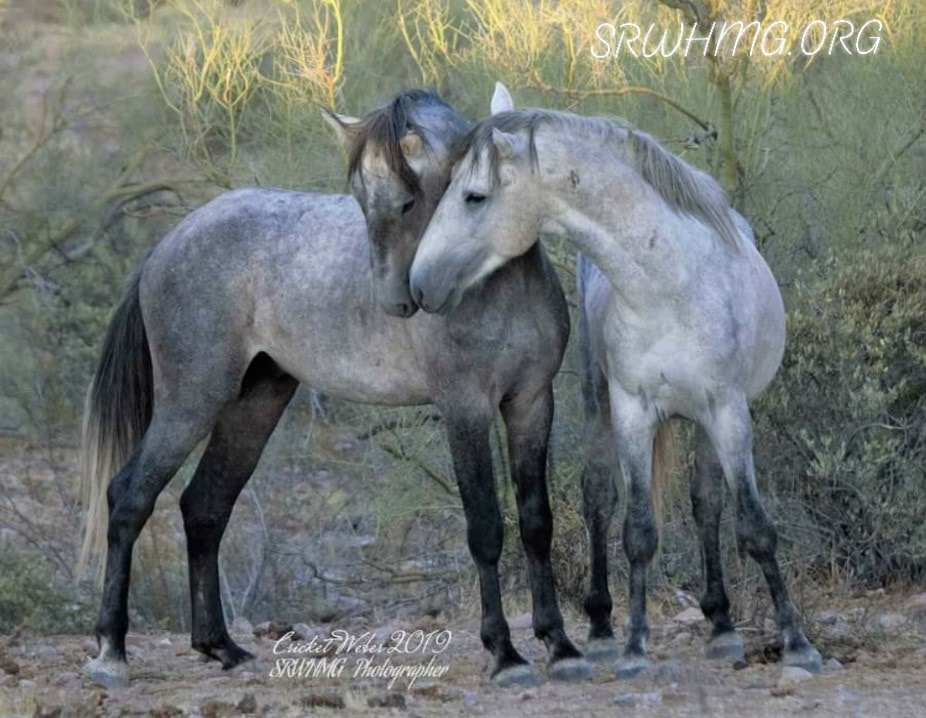
The 🪄 Magic of the 🩶Gray Gene
A gray foal can be born almost any color—chestnut, bay, black, or even a color that seems nothing like the pale gray horse it may eventually become. There is a common misconception that every gray horse is born black, but that simply isn’t true. Interestingly, though, black foals that carry the gray gene are often born a deep, jet-black color. Black foals without the gray gene, on the other hand, may be born looking almost mousy gray. It’s why horse lovers sometimes joke, “Black horses are born gray, and gray horses are born black.”
The transformation begins slowly. The gray gene is dominant, which means a gray horse must have inherited it from at least one parent. It cannot simply appear generations later like a recessive trait. Somewhere in that foal’s family tree, one or both parents carried the gray gene—and passed it along.
But there is another fascinating twist. A gray horse can carry either one or two copies of the gray gene. A horse with one copy is called heterozygous for gray. That horse can pass the gray gene to some offspring while passing a non-gray gene to others. Its foals may or may not turn gray. A horse with two copies is homozygous for gray. That horse has no non-gray version of the gene to pass on. Every one of its offspring will inherit the gray gene and, as a result, will eventually turn gray.
And so, the foal begins its journey. Year by year, its original coat slowly changes. Perhaps it develops a soft, silvery shade. Then come dapples, or maybe a warm rose-gray color. As the years pass, the coat may become lighter until the horse is almost pure white. Or perhaps tiny dark hairs begin to appear across its body, creating the beautiful flea-bitten pattern.
No two gray horses seem to follow the same path. That is part of what makes them so captivating. A gray horse is never quite finished becoming itself. Its coat tells the story of its age, its genetics, and the years it has lived. What begins as a dark foal can become a dappled horse, then a silver-gray beauty, and eventually an almost-white elder. Gray horses have a way of keeping life interesting—because with them, you never know exactly what color tomorrow will bring.
Do you think Thunder is going to 🩶gray-out?